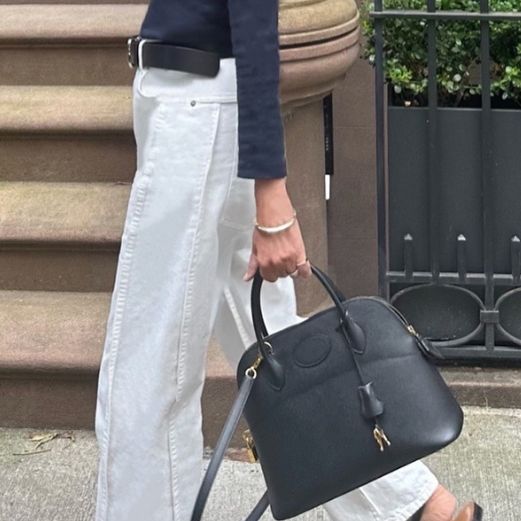

The Ultimate Guide to IT Bags History and Comeback 2026
The world of luxury fashion is cyclical, driven by a constant push and pull between minimalist restraint and maximalist expression. If you have been paying attention to the runways, you already know that a major shift is on the horizon. The era of “quiet luxury” is slowly making way for a vibrant, statement-making revival.
At the center of this sartorial shift is the highly anticipated IT bags history and comeback 2026. For decades, these highly coveted accessories have served as the ultimate markers of style, wealth, and cultural relevance. Now, they are returning with a modern twist, blending vintage nostalgia with contemporary craftsmanship.
Whether you are a seasoned collector or a first-time buyer, understanding the trajectory of these iconic purses is essential. Why did they disappear? What is driving their explosive return? And most importantly, which silhouettes should you be investing in right now?
In this comprehensive guide, we will explore the fascinating IT bags history and comeback 2026 trends. We will also reveal how you can secure these legendary investment pieces at Valmosa, where premium designer handbags meet accessible luxury pricing.
—
What Exactly is an “IT Bag”? (The Origins)
Before we can fully appreciate the IT bags history and comeback 2026, we must first define what makes a handbag an “IT bag.” The term was officially coined in the 1990s by fashion journalists to describe a specific phenomenon: a high-end designer handbag that becomes the absolute must-have accessory of the season.
An IT bag is not just a vessel for carrying your essentials. It is a cultural touchstone. It represents exclusivity, desirability, and an undeniable cool factor. When a bag reaches this legendary status, it transcends its functional purpose and becomes one of the ultimate status symbols in modern society.
The anatomy of a classic IT bag usually includes a highly recognizable silhouette, distinctive hardware, and a prominent logo or signature print. Furthermore, the magic of these bags often relies on artificial scarcity. Waitlists, limited production runs, and celebrity endorsements create a frenzy that drives demand through the roof.
While the 1990s popularized the term, the concept actually dates back much further. The Hermès Kelly (named after Grace Kelly in the 1950s) and the Hermès Birkin (created for Jane Birkin in 1984) were the original blueprints. However, it wasn’t until the late 20th century that the luxury market learned how to mass-market exclusivity, giving birth to the modern IT bag phenomenon.
> Valmosa Insider Tip: Looking to start your luxury journey? Use code SEO20 at checkout to receive 20% off your first premium handbag purchase at Valmosa!
—
The Golden Era: A Deep Dive into IT Bags History
To understand the IT bags history and comeback 2026, we have to look back at the “Golden Era” of designer handbags. The late 1990s through the mid-2000s was a time of unapologetic glamour. Fashion was bold, logos were everywhere, and the accessories market exploded into a multi-billion-dollar industry.
The true catalyst for this era was the Fendi Baguette, designed by Silvia Venturini Fendi in 1997. It was small, impractical, and designed to be tucked under the arm like a loaf of French bread. Thanks to its prominent feature on *Sex and the City*, it became a global sensation. Women weren’t just buying a bag; they were buying into a glamorous, cosmopolitan lifestyle.
Shortly after, John Galliano introduced the Dior Saddle Bag in 1999. With its equestrian-inspired shape and bold “D” charm, it became the defining accessory of the early 2000s. Paris Hilton, Mischa Barton, and Beyoncé were rarely photographed without one.
During this same period, Marc Jacobs revolutionized Louis Vuitton by collaborating with artists like Stephen Sprouse and Takashi Murakami. The resulting neon graffiti and multicolored monogram bags completely disrupted the traditional luxury market. They proved that heritage brands could be playful, youthful, and wildly profitable.
This era cemented the idea that a single accessory could define a fashion house’s entire financial year. Brands poured millions into designing, marketing, and seeding the next big silhouette. It was a time of fierce competition, resulting in some of the most iconic vintage designer bags we still covet today.
—
The Shift: Why Did the Original IT Bag Die Out?
If these accessories were so popular, why did they fade away? Analyzing the decline is a crucial part of the IT bags history and comeback 2026 narrative. By the early 2010s, the fashion landscape began to shift dramatically. The 2008 financial crisis had a profound impact on consumer psychology, making overt displays of wealth feel out of touch.
Enter the era of “Quiet Luxury” and “Stealth Wealth.” Designers like Phoebe Philo at Céline championed a new kind of minimalism. Bags like the Céline Luggage Tote and the Classic Box Bag featured virtually no logos. They relied entirely on impeccable leather, clean lines, and subtle hardware.
The market also suffered from oversaturation. When every brand started aggressively marketing an “IT bag” every single season, the concept lost its magic. Consumers grew fatigued by the relentless hype cycle. The exclusivity that once defined the IT bag was replaced by mass production and ubiquity.
As we moved into the 2020s, the focus shifted toward micro-bags and practical, unbranded totes. The Row and Bottega Veneta dominated the luxury fashion trends with woven leathers and slouchy, anonymous silhouettes. The loud, proud, and heavily branded bags of the 2000s were relegated to the back of the closet.
However, fashion abhors a vacuum. The pendulum of style never stays in one place for long. The minimalist fatigue has slowly been setting in, perfectly setting the stage for the highly anticipated IT bags history and comeback 20